Buy freewebtemplates.info ?
We are moving the project
freewebtemplates.info .
Are you interested in purchasing the domain
freewebtemplates.info ?
domain@kv-gmbh.de · 0541-91531010
Buy freewebtemplates.info ?
Why are industrial clerks called industrial clerks?
Industrial clerks are called so because they perform administrative and clerical tasks within an industrial setting. Their role involves maintaining records, processing paperwork, and providing support to the operations and management of industrial businesses. The term "industrial" is used to specify the type of environment in which these clerks work, distinguishing them from clerks in other sectors such as retail or healthcare. **
What is the professional discussion for the industrial electrician AP1?
The professional discussion for the industrial electrician AP1 focuses on assessing the candidate's knowledge and skills in industrial electrical systems, equipment, and safety procedures. It may cover topics such as electrical theory, motor controls, PLCs, instrumentation, troubleshooting, and compliance with industry standards and regulations. The discussion may also include the candidate's experience with electrical installations, maintenance, and repairs in industrial settings, as well as their ability to interpret technical drawings and schematics. Overall, the professional discussion aims to evaluate the candidate's readiness to work as an industrial electrician and their understanding of the complexities of electrical systems in industrial environments. **


Similar search terms for Industrial
Top-Angebote
Products related to Industrial:
-
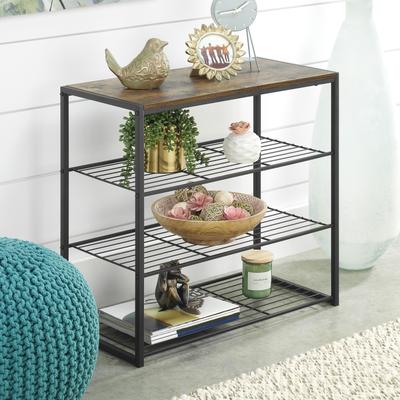
Whitmor Modern Industrial 4-Tier Storage ShelvesWhitmor's 4-Tier Storage Shelves add immediate organization to any closet or small space. The clean design of the shelving allows lightweight organization for shoes, bags, baskets, or clothes to create a range of storage solutions.46,49 $*Shipping: 0,00 $Secure redirect to the provider



-
What is the salary of an industrial firefighter or professional firefighter?
The salary of an industrial firefighter or professional firefighter can vary depending on factors such as location, experience, and the specific employer. However, on average, industrial firefighters can earn between $40,000 to $70,000 per year, while professional firefighters typically earn between $40,000 to $60,000 per year. These figures can be higher for those with more experience or who work in high-demand areas. Additionally, some firefighters may receive additional benefits such as retirement plans, health insurance, and overtime pay. **
-
What is the salary comparison between professional firefighters and industrial firefighters?
Professional firefighters typically earn higher salaries compared to industrial firefighters. Professional firefighters, who work for municipal or city fire departments, often receive higher pay due to the specialized training and skills required for their job, as well as the risks and demands of the work. On the other hand, industrial firefighters, who work for private companies or industrial facilities, may earn lower salaries as their focus is primarily on fire prevention and suppression within a specific industrial setting. However, industrial firefighters may receive additional benefits or compensation packages from their employers. **
-
What does the professional direction in the industrial-technical field mean?
The professional direction in the industrial-technical field refers to a career path focused on applying technical knowledge and skills to industrial processes and operations. This can include roles in engineering, manufacturing, quality control, maintenance, and operations management. Professionals in this field are responsible for designing, implementing, and optimizing industrial systems and processes to improve efficiency, productivity, and safety. They may also be involved in troubleshooting and problem-solving to ensure that industrial operations run smoothly and effectively. **
-
Is my user account user-friendly?
To determine if your user account is user-friendly, consider factors such as ease of navigation, clear instructions, and accessibility features. Evaluate if users can easily find the information they need, if the interface is intuitive, and if there are options for customization. Conduct user testing to gather feedback on the account's usability and make improvements based on the results. Overall, a user-friendly account should prioritize the user experience and make it simple for users to accomplish their tasks efficiently. **


Is the pre-industrial era the same as the early modern period?
No, the pre-industrial era and the early modern period are not the same. The pre-industrial era refers to the time before the Industrial Revolution, when societies relied on manual labor and agriculture as the primary means of production. The early modern period, on the other hand, is a specific period in history that is typically considered to span from the late 15th century to the late 18th century, characterized by significant cultural, political, and social changes. While the pre-industrial era falls within the early modern period, they are distinct in terms of their focus and defining characteristics. **
Which training is better suited, industrial clerk or industrial mechanic?
The better-suited training depends on an individual's interests and skills. Industrial clerk training is ideal for those who enjoy working in administrative and organizational roles, handling paperwork, and communicating with clients and suppliers. On the other hand, industrial mechanic training is better suited for individuals who are interested in hands-on work, problem-solving, and repairing and maintaining machinery and equipment. It ultimately comes down to personal preferences and strengths when deciding which training is a better fit. **
Top-Angebote
Products related to Industrial:
-
Uplifted Finds Industrial Standard Automatic Yellow Duck Toothpaste Dispenser & Professional Toothbrush Holder Industrial Standard Automatic Yellow Duck Toothpaste Dispenser & Professional Toothbrush HolderTransform your morning routine with the Cute Yellow Duck Automatic Toothpaste Dispenser, a highperformance bathroom accessory specifically engineered to promote independence and hygiene for children. This industrialstandard wallmounted tool features...67,97 $*Shipping: 0,00 $Secure redirect to the provider
-
Whitmor Modern Industrial 3-Tier ShelfThis versatile storage system uses stylish woodgrain laminate with a steel frame to store your items. 11 inch totes fit nicely and are sold separately. Tools are included for easy assembly. Easy to clean, just wipe with a damp cloth and towel dry.59,27 $*Shipping: 0,00 $Secure redirect to the provider
-
Why are industrial clerks called industrial clerks?
Industrial clerks are called so because they perform administrative and clerical tasks within an industrial setting. Their role involves maintaining records, processing paperwork, and providing support to the operations and management of industrial businesses. The term "industrial" is used to specify the type of environment in which these clerks work, distinguishing them from clerks in other sectors such as retail or healthcare. **
-
What is the professional discussion for the industrial electrician AP1?
The professional discussion for the industrial electrician AP1 focuses on assessing the candidate's knowledge and skills in industrial electrical systems, equipment, and safety procedures. It may cover topics such as electrical theory, motor controls, PLCs, instrumentation, troubleshooting, and compliance with industry standards and regulations. The discussion may also include the candidate's experience with electrical installations, maintenance, and repairs in industrial settings, as well as their ability to interpret technical drawings and schematics. Overall, the professional discussion aims to evaluate the candidate's readiness to work as an industrial electrician and their understanding of the complexities of electrical systems in industrial environments. **
-
What is the salary of an industrial firefighter or professional firefighter?
The salary of an industrial firefighter or professional firefighter can vary depending on factors such as location, experience, and the specific employer. However, on average, industrial firefighters can earn between $40,000 to $70,000 per year, while professional firefighters typically earn between $40,000 to $60,000 per year. These figures can be higher for those with more experience or who work in high-demand areas. Additionally, some firefighters may receive additional benefits such as retirement plans, health insurance, and overtime pay. **
-
What is the salary comparison between professional firefighters and industrial firefighters?
Professional firefighters typically earn higher salaries compared to industrial firefighters. Professional firefighters, who work for municipal or city fire departments, often receive higher pay due to the specialized training and skills required for their job, as well as the risks and demands of the work. On the other hand, industrial firefighters, who work for private companies or industrial facilities, may earn lower salaries as their focus is primarily on fire prevention and suppression within a specific industrial setting. However, industrial firefighters may receive additional benefits or compensation packages from their employers. **
Similar search terms for Industrial
-
Whitmor Modern Industrial 4-Tier Storage ShelvesWhitmor's 4-Tier Storage Shelves add immediate organization to any closet or small space. The clean design of the shelving allows lightweight organization for shoes, bags, baskets, or clothes to create a range of storage solutions.46,49 $*Shipping: 0,00 $Secure redirect to the provider
-
What does the professional direction in the industrial-technical field mean?
The professional direction in the industrial-technical field refers to a career path focused on applying technical knowledge and skills to industrial processes and operations. This can include roles in engineering, manufacturing, quality control, maintenance, and operations management. Professionals in this field are responsible for designing, implementing, and optimizing industrial systems and processes to improve efficiency, productivity, and safety. They may also be involved in troubleshooting and problem-solving to ensure that industrial operations run smoothly and effectively. **
-
Is my user account user-friendly?
To determine if your user account is user-friendly, consider factors such as ease of navigation, clear instructions, and accessibility features. Evaluate if users can easily find the information they need, if the interface is intuitive, and if there are options for customization. Conduct user testing to gather feedback on the account's usability and make improvements based on the results. Overall, a user-friendly account should prioritize the user experience and make it simple for users to accomplish their tasks efficiently. **
-
Is the pre-industrial era the same as the early modern period?
No, the pre-industrial era and the early modern period are not the same. The pre-industrial era refers to the time before the Industrial Revolution, when societies relied on manual labor and agriculture as the primary means of production. The early modern period, on the other hand, is a specific period in history that is typically considered to span from the late 15th century to the late 18th century, characterized by significant cultural, political, and social changes. While the pre-industrial era falls within the early modern period, they are distinct in terms of their focus and defining characteristics. **
-
Which training is better suited, industrial clerk or industrial mechanic?
The better-suited training depends on an individual's interests and skills. Industrial clerk training is ideal for those who enjoy working in administrative and organizational roles, handling paperwork, and communicating with clients and suppliers. On the other hand, industrial mechanic training is better suited for individuals who are interested in hands-on work, problem-solving, and repairing and maintaining machinery and equipment. It ultimately comes down to personal preferences and strengths when deciding which training is a better fit. **
* All prices are inclusive of VAT and, if applicable, plus shipping costs. The offer information is based on the details provided by the respective shop and is updated through automated processes. Real-time updates do not occur, so deviations can occur in individual cases. ** Note: Parts of this content were created by AI.